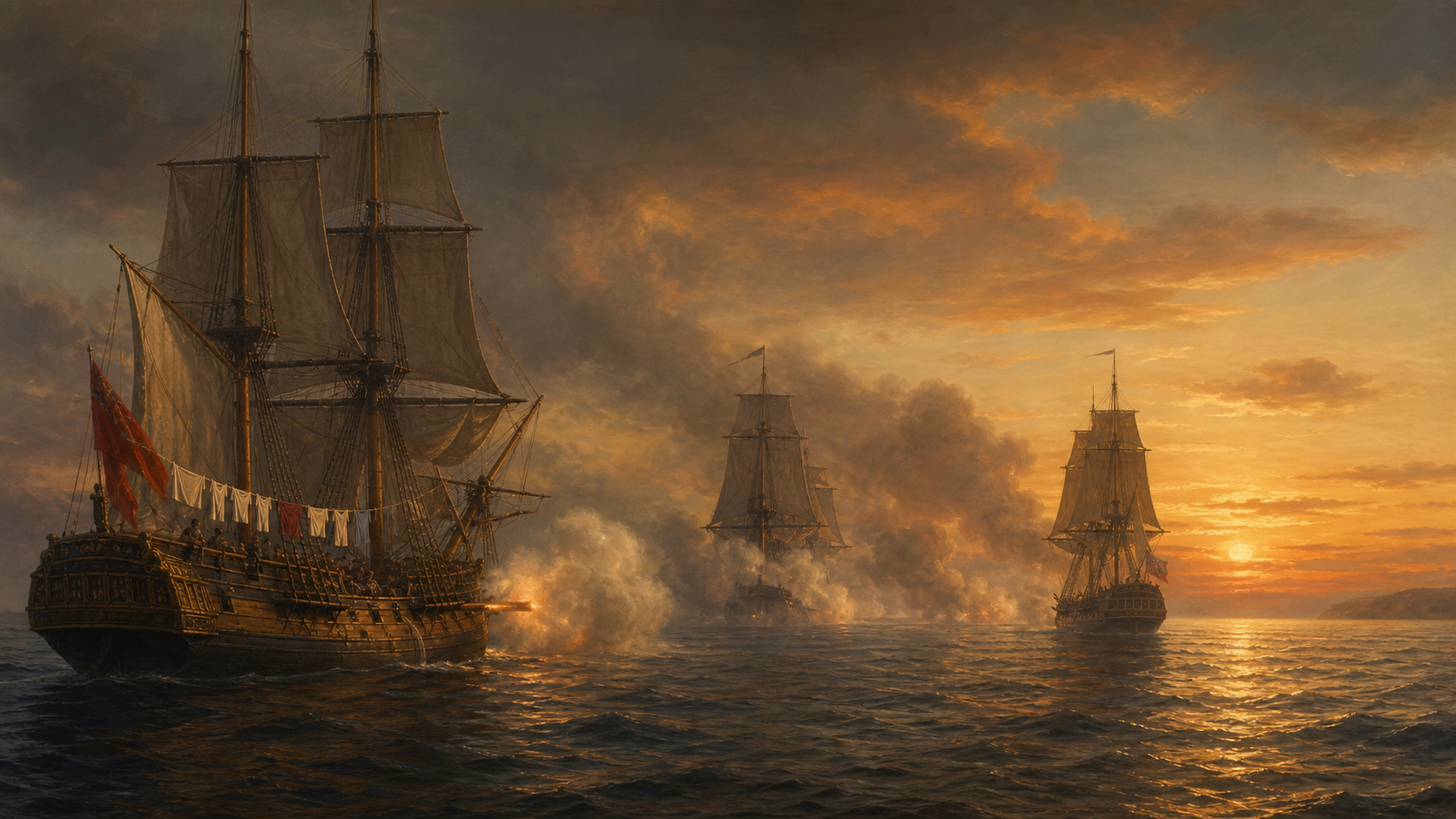
A pirate movie often makes violence look personal: two men crossing swords, a clean fall, a witty line, and then the adventure sails on with the crew's hair still committed to the role. The historical record is uglier. Much pirate violence was not about stylish combat. It was about making ships surrender, crews obey, witnesses fear, and authorities answer with terror of their own. The first weapon was reputation. A flag, a known captain, or a rumor of cruelty could save pirates the trouble of a fight. If a merchant crew surrendered quickly, the prize could be taken with less damage. If a ship resisted, violence became a message for the next vessel. That is the part Hollywood often polishes too clean: violence was not necessarily a burst of passion. Sometimes it was policy.
What The Evidence Can And Cannot Say
The evidence matters because pirate violence was both real and marketable. Early printed accounts could be sensational. Later storytellers added polish, horror, romance, or moral theater depending on what sold. So the honest position is not to believe every gruesome detail automatically, nor to sand the subject smooth because the details are uncomfortable. What can be said clearly is this: piracy depended on coercion. Threats, forced service, torture, plunder, hostage-taking, and public punishment all belong to the world around it. The exact shape of a specific incident may need source review. The pattern does not.
Pirates wanted cargo, not a sinking prize. They needed ships, food, medicine, sails, rope, weapons, powder, tools, and marketable goods. A battle could damage the very thing they meant to steal. Terrifying a target into surrender was efficient. That does not make it gentle. It makes the violence calculated. This is why reputation mattered so much. A crew known for leniency might invite resistance if victims believed a fight could save the cargo. A crew known for cruelty might take prizes faster because fear arrived ahead of the ship. A black flag was not decoration. It was communication.
The screen loves a duel because a duel has shape. Real boarding could be smoke, noise, splinters, panic, cramped decks, bad footing, and confusion. Guns misfired. Blades stuck. Men slipped. Surrender might happen before the fight, during the fight, or after a few terrifying examples made the choice obvious. That mess matters because it restores the victims to the scene. Merchant sailors were workers, not background furniture. Passengers, enslaved people, coerced specialists, and low-ranking crewmen could be trapped between pirate threats and state suspicion. A captured ship was a workplace invaded at gunpoint.
Edward Low's reputation was especially savage. Sources about him can be sensational, but they repeatedly connect his name with mutilation and torture. Francois l'Olonnais, known through Alexandre Exquemelin's buccaneer account, became another symbol of extreme brutality. Even when individual stories require caution, the repeated association tells us something important: cruelty could become a brand. A brand of cruelty had practical value. It could make witnesses talk, prisoners comply, and future targets surrender. The same logic appears in the darker article on punishments worse than walking the plank. Fear was not only an emotion. It was part of the operating system.
Pirate crews sometimes forced captured sailors to serve, especially if they needed skills. That creates a moral and legal tangle. A man aboard a pirate ship might be volunteer, opportunist, coerced recruit, prisoner, or someone who crossed from one category into another because survival is not neat. Courts had to sort those stories later, and the sorting could decide whether a man lived. The clean movie line between villain and victim blurs quickly when a captured sailor is ordered to work, threatened, fed from stolen stores, and then judged after the ship is taken. Violence can be physical, but it can also be the narrowing of choices until every door looks guilty.
Governments used terror too. Pirates were hanged in visible places. Bodies could be displayed near waterways as warnings. Captain Kidd's body was gibbeted after execution. The message aimed at sailors as much as criminals: piracy ends at the rope, and the state can make the ending public. This is not an argument that pirates and governments were the same. It is a reminder that the Atlantic world understood public fear. Pirates used flags, rumors, and violence to force surrender. States used trials, gallows, printed accounts, and displayed bodies to force obedience.
Clean pirate violence keeps the adventure usable. A duel can be exciting without asking too many questions about labor, injury, coercion, slavery, imprisonment, or state terror. A sword fight lets the audience enjoy danger with choreography. Historical violence asks who paid for that danger with a body. That does not mean every PiratesInfo article needs to wallow. It means the page should refuse the toy version when the subject is violence. The wit can stay, but it has to stand beside the truth. A joke that hides the victim is not mischievous. It is lazy.
One of the strangest truths is that pirate violence and pirate rules are not opposites. Organized crews could be more frightening because they were organized. Articles, shares, discipline, and command structures helped a ship act quickly. Fast, disciplined coercion beats random chaos if the goal is profit. That is why pirate ships had rules belongs next to this subject. Rules did not make violence disappear. They helped aim it.
The honest payoff
Correcting the myth does not require enjoying gore. It requires honesty about systems. Pirate violence pressured targets, controlled crews, moved goods, built reputations, and provoked public punishment. The glamour came later, once the blood had dried into legend and the legend had learned to smile for posters. The cleaner the movie, the more carefully the article should mark the evidence boundary. Documented violence is bad enough. Sensational stories need caution. Fiction can be fun when labeled. But the core truth should stay above water: piracy was not just adventure with sharper props. It was coercion at sea, and the people inside it did not get to leave when the scene ended.
Clean violence leaves out aftermath. It leaves out infection after a cut, terror after a threat, missing wages after a capture, testimony under pressure, and families waiting for sailors who did not return as heroes or villains but simply as damaged men. The duel ends when one actor falls. Historical violence kept producing consequences after the scene would have faded. That aftermath is where the article earns its seriousness. The point is not to make the page grim for sport. It is to keep the reader from mistaking choreography for history.
<!-- Codex notes: - Import as draft only. Do not publish automatically. - Preserve attribution decision exactly as specified in frontmatter. - Review internal links against current Umbraco paths before publishing. - Source queue bucket: Blank-author, needs attribution decision - Audit note: Review for small clarity, evidence, and ending improvements without stretching the topic. -->


