The story
John King
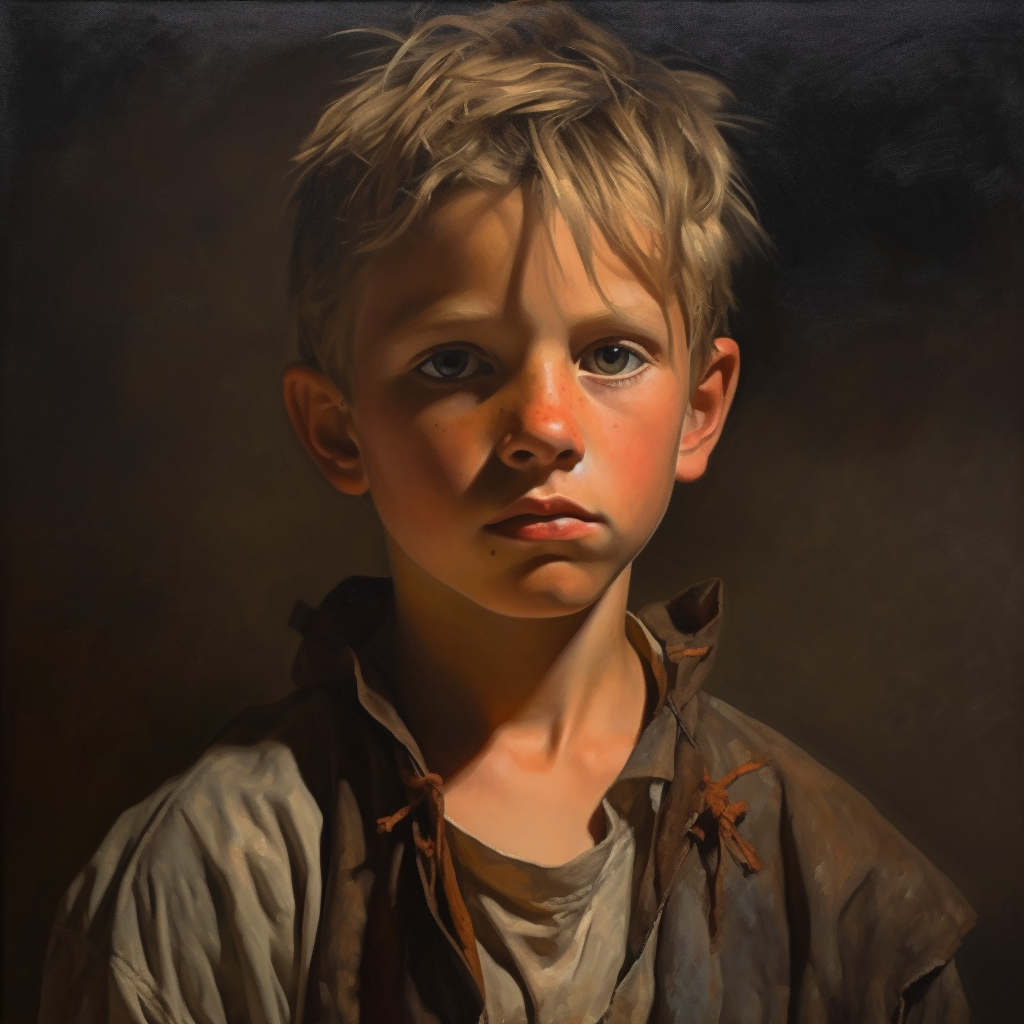
John King is famous for being small in a story that was not small at all. He was a boy connected to Samuel Bellamy's Whydah, the captured slave ship turned pirate flagship that wrecked off Cape Cod in 1717. Pirate romance likes young stowaways and brave lads. King's story asks for more care. A child on a pirate ship is not automatically an adventure hero. He is evidence that the sea could pull the young into danger very quickly.
The record around King is thin, and that thinness matters. Accounts say he wanted to join Bellamy's pirates, but children in eighteenth-century records rarely control how adults describe their choices. Maybe he was eager. Maybe he was overwhelmed. Maybe later storytellers preferred the tidier drama of a boy choosing piracy over the messier possibility of a child being carried into a violent maritime system. The honest profile keeps that uncertainty visible without sanding away the fact that he was there.
A Child In A Violent Sea World
Children worked at sea in the eighteenth century. They could be cabin boys, apprentices, servants, runaways, young sailors in training, or dependents moved by adult decisions. Some had a degree of choice; many had less than later adventure stories imply. Poverty, family arrangements, coercion, ambition, and chance could all push young people aboard ships. The sea did not become gentle because a child was present. If anything, the detail makes the world look harsher, and it makes the adult systems around him harder to romanticize.
That context keeps King's story from becoming cute. The important question is not whether he was the youngest pirate in a celebratory sense. The better question is what his presence reveals about age, power, and danger in maritime life. Pirate crews could include skilled sailors, forced men, volunteers, captives, servants, and vulnerable people whose choices are difficult to recover. King stands near the edge of that problem, where the record gives us a name but not a full voice.
Even if King showed excitement, adults around him shaped the consequences. Children can want dangerous things. Adults can exploit that wanting. Later storytellers can simplify both. That combination is what makes the story uncomfortable and useful. It asks the reader to pause before turning a boy into a cheerful symbol of rebellion. There is no need to drain the story of drama. The drama is already there: a child, a famous pirate captain, a captured slave ship, a storm, a wreck, and archaeology much later pulling fragments back into view.
The Whydah Matters
The Whydah Gally had been a slave ship before Bellamy captured it. That fact must stay in the frame. The treasure and objects recovered from the wreck came from a brutal Atlantic economy. Bellamy's pirates turned the ship into a flagship, but they did not erase what the vessel had been. King's presence aboard connects childhood, piracy, labor, slavery, and legend in one uncomfortable place.
When the Whydah wrecked in a storm off Cape Cod in April 1717, Bellamy and most aboard died. The sea did not care about reputation, treasure, youth, or later storytelling needs. The wreck is a brutal ending because it ignores the neat rules of pirate romance. It does not give King a speech, a heroic test, or a tidy moral. It gives him a place in a disaster.
The later discovery and study of the Whydah made the ship one of the most important material sources for Golden Age piracy. Many pirate lives survive mainly through hostile trials, official reports, and printed stories eager to make criminals useful to public warning. The Whydah gives historians artifacts: coins, weapons, tools, ship remains, and human traces from a real wreck. That does not answer every question about John King, but it changes the kind of story being told. He is connected to evidence archaeology can touch.
Choice Is The Hard Part
The idea that King chose piracy is the part readers remember, because it is vivid and easy to repeat. It is also the part that needs the most caution. Choice is not simple when the subject is a child. In the eighteenth-century maritime world, a young person's wishes could be shaped by adults, poverty, fear, excitement, coercion, and limited alternatives. A boy might have wanted the pirate ship and still not understood the danger clearly. He might have been described as willing because adults found that version convenient.
This does not require stripping King of all agency. It means refusing to make agency do more work than the evidence allows. The child was real. The danger was real. The famous wreck was real. The exact texture of King's choice remains harder to recover. That is a more respectful conclusion than pretending certainty for the sake of a livelier caption.
Trial records after the Whydah wreck remind us how badly adults wanted categories: pirate, forced man, volunteer, witness, criminal. Those categories mattered because punishment depended on them. A child like King complicates the categories even when he is not present to explain himself. Pirate history often gives us captains with names and crews as background. King reverses the attention. He makes the reader look below the captain's deck.
What King Adds To Pirate History
King's importance does not come from a long list of deeds. It comes from the questions his name raises. Who gets counted as a pirate? How much choice did the young, the poor, the coerced, and the dependent really have? How quickly can a later adventure story turn vulnerability into charm? Those are not small questions, even if King himself was a small figure in the surviving record.
He also keeps the Whydah story from becoming only treasure and wreckage. The ship contained people with different relationships to danger and power. Some were commanders. Some were sailors. Some may have been forced. Some were dead before any court could sort them into tidy boxes. King gives one fragile place in the record to someone who was not a famous captain. That matters because pirate history was larger than captains, prizes, and famous last stands.
For the fuller Bellamy route, readers can go to Samuel Bellamy. For the wider gallery of pirate lives, return to Famous Pirates, or follow the broader background through the history of piracy. King belongs among those routes because his story asks what pirate history does with people who were vulnerable, poorly documented, and easy to simplify after death.
A Small Story That Refuses To Be Slight
John King is not important because he did everything. He is important because his small surviving place in the Whydah story reveals children, shipboard labor, coercion, archaeology, Atlantic slavery, and the limits of what the record can safely say. That makes the page small but not slight. The right tone is protective rather than sentimental. The point is not to make King adorable. The point is to let the child remain real.
That restraint gives the story its force. King lets the site talk about young people at sea without turning danger into costume romance. His name survives beside Bellamy, the Whydah, and the storm off Cape Cod, but the lesson is quieter than the wreck. Pirate history includes vulnerable people as well as flamboyant captains. The record is thin, the child was real, and the story deserves more care than a cheerful young-pirate anecdote can give it.


