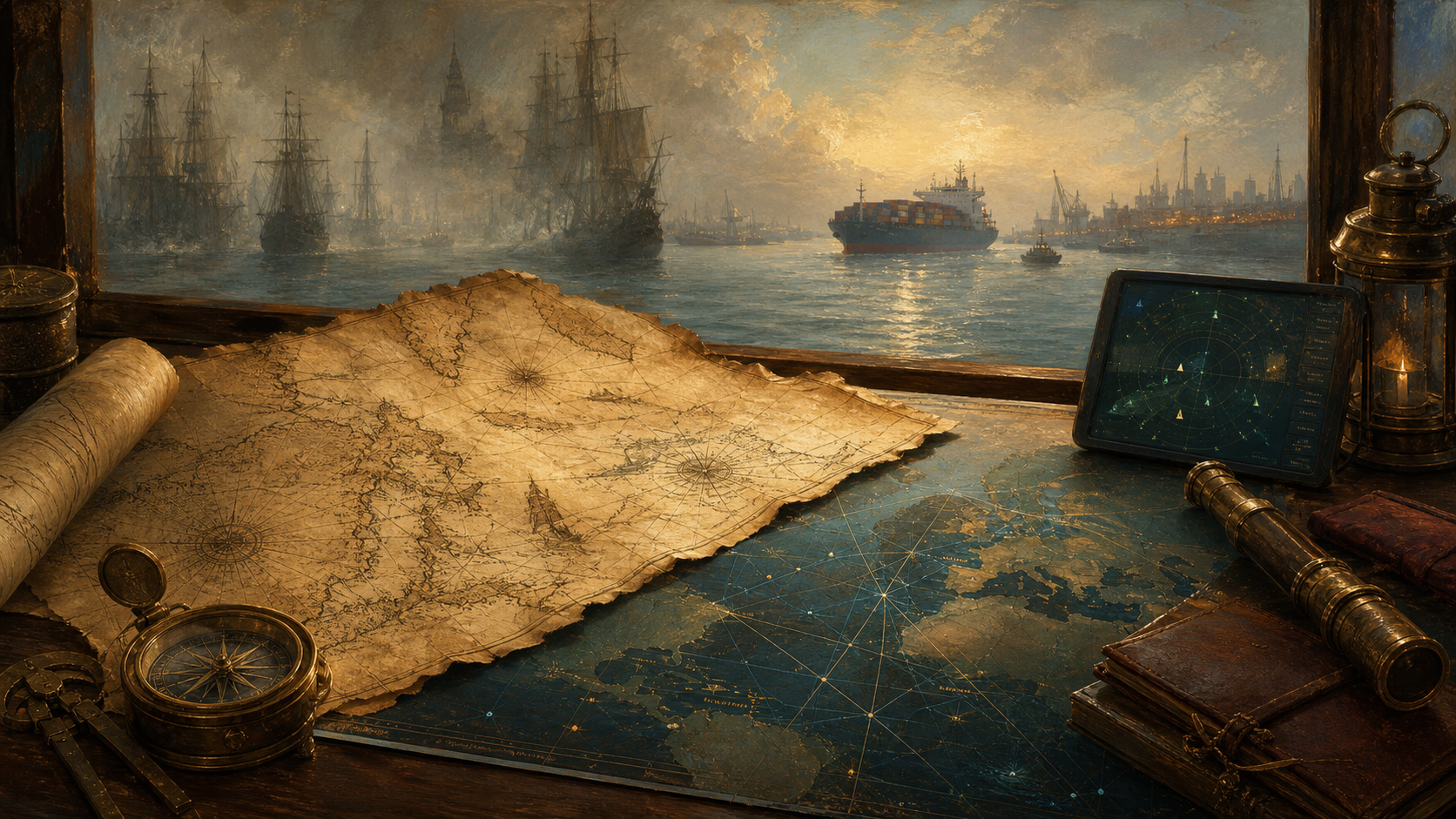
Modern piracy
Context before conclusions
Modern piracy isn't about parrots and wooden legs. Today's pirates range from desperate opportunists to organized criminals targeting entire ships and cargoes. They employ diverse tactics, from sneaky port entries to hig...
“Pirates ahoy” sounds cheerful because popular culture has spent centuries sanding the splinters off piracy.
The phrase belongs to toy ships, party invitations, school projects, and movies where danger arrives with a theme tune. Real piracy does not arrive that politely. It arrives as armed boarding, hijacking, kidnapping, ransom negotiation, cargo theft, trauma, insurance pressure, naval response, and families waiting for news from people who went to sea to work.
The point is not to ban the playful phrase. PiratesInfo has room for fun. But the page should keep the two registers apart: costume piracy is play; modern piracy is crime.
The Costume Version Is Not the Crime
Most people meet pirates first through fiction. Treasure maps, skull flags, parrots, accents, taverns, and sword fights give piracy a charming silhouette. That silhouette is powerful. It is also misleading when it drifts into the modern world.
Modern pirates are not trying to look like Blackbeard. They are trying to control ships, cargo, crews, and routes. Their tools can include small boats, automatic weapons, ladders, satellite phones, local intelligence, motherships, corrupt networks, and ransom channels. They may target commercial vessels, fishing boats, tankers, or crews whose governments and employers must then respond under pressure.
The black flag is mostly gone. The fear is not.
Why Piracy Still Happens
Piracy survives where valuable maritime traffic passes near places where enforcement is weak, corruption is useful, poverty is severe, or armed groups can make money faster by attacking ships than by joining legal work. Geography matters. So do politics, unemployment, conflict, and the ability to turn hostages or stolen cargo into profit.
No single explanation fits every region. Piracy off Somalia, attacks in the Gulf of Guinea, robberies in Southeast Asian waters, and local maritime crime in other regions all have different conditions. But the repeating pattern is old: water carries wealth; law arrives late; violence fills the gap.
That is why modern piracy belongs on a pirate-history site. It is not a costume afterword. It is the same old problem learning new logistics.
What Happens to Crews
A serious piracy page should keep crews at the center. Modern shipping can make sailors almost invisible to consumers. Goods appear in stores, fuel moves, containers arrive, and the human labor behind the route disappears. Piracy makes that labor visible in the worst way.
A captured crew may face threats, beatings, confinement, injury, fear, and months of uncertainty. Even when people survive, the experience can leave lasting harm. The drama is not only in the negotiation. It is in the days and nights of people waiting under armed control.
That reality is why cute pirate language must be handled carefully on serious pages. The fun version can exist, but it should not swallow the victims.
Navies, Guards, and Hard Choices
Modern anti-piracy responses can include naval patrols, convoy systems, armed guards, rerouting, best-management practices, port security, intelligence sharing, prosecutions, and regional cooperation. None of these is simple. They cost money, shift risk, and sometimes push crime from one place to another.
Shipowners want safety and predictable routes. Governments want control without endless expense. Crews want to come home. Local communities may be caught between poverty, armed groups, and outside forces that arrive only when ships are threatened. A good modern piracy article should resist easy movie endings. There is rarely one final battle after which everyone rolls credits.
Why the Phrase Still Works
“Pirates ahoy” works because the old fantasy is bright and immediate. It invites curiosity. That is useful as a doorway. But the doorway should lead somewhere honest.
For playful material, follow the Talk Like a Pirate and costume guides. For the serious route, continue to modern piracy and anti-piracy pages. The reader can enjoy the theatrical pirate without confusing him for the armed criminal boarding a ship today.
The phrase can stay. The article just has to answer it properly: pirates ahoy, yes — but keep your eyes open, because the real ones were never as cute as the warning sounded.


