The story
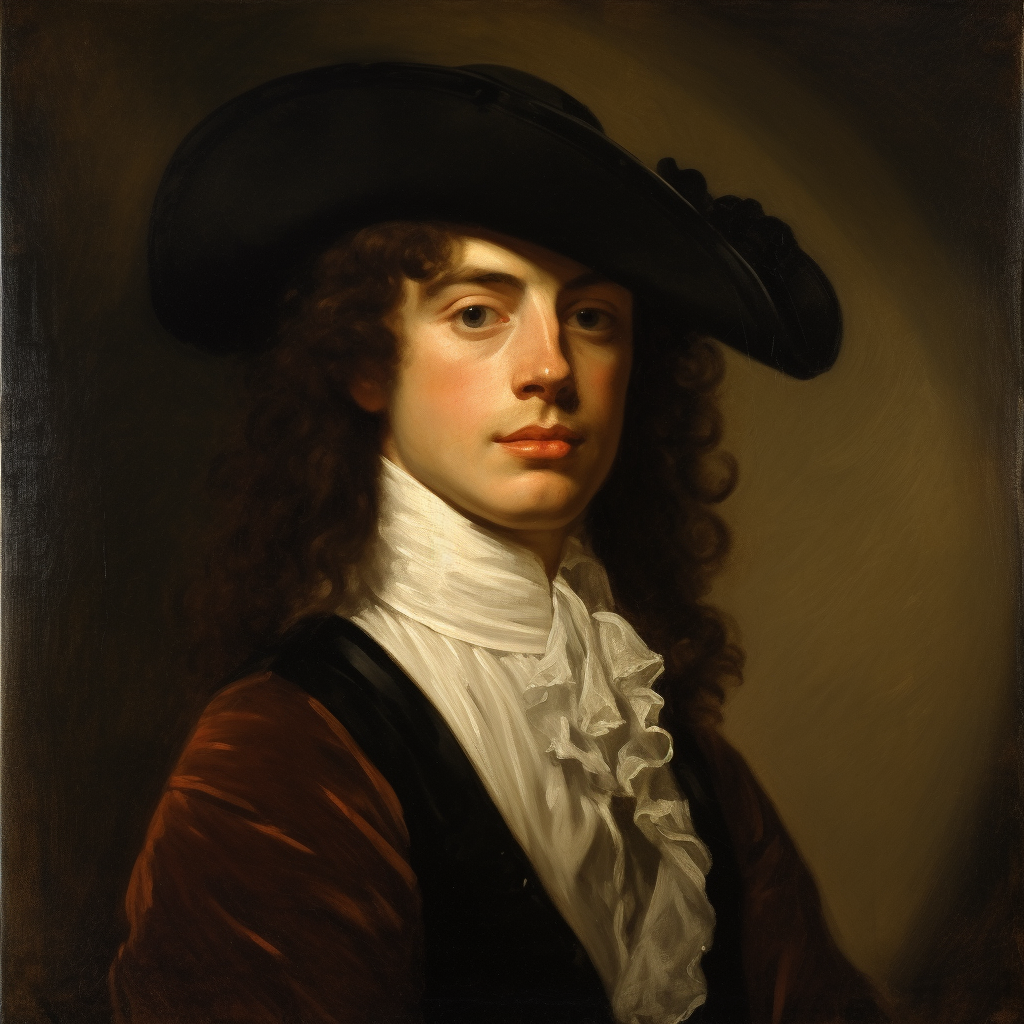
Henry Morgan
Henry Morgan was not Captain Morgan the rum mascot with a convenient boot and a grin. He was a Welsh buccaneer and privateer whose career sat in the violent borderland between empire, robbery, and promotion. The English could call him useful. Spain could call him a pirate. Morgan could call himself successful, which in the seventeenth-century Caribbean often mattered more than moral tidiness.
The legal distinction matters because Morgan was usually operating as a privateer or commissioned raider, not as a free-floating outlaw in the later Blackbeard mold. That did not make his attacks gentle, and it did not make Spanish victims feel better. A commission could turn maritime violence into policy when it served the right government. Morgan's life is what happens when the paperwork works, the plunder is large, and the winner is valuable enough to forgive.
Jamaica And The Buccaneer World
Morgan was born in Wales around the 1630s and emerged in the Caribbean after England captured Jamaica from Spain in 1655. Jamaica became an English base pressed against Spanish wealth, shipping, and fortified towns. It was not a calm colony with a pirate problem attached. It was a contested imperial outpost trying to survive, profit, and defend itself in a region where violence could be treated as both danger and policy.
The buccaneer world around Morgan was older than the later Golden Age of piracy. It grew from hunting, settlement, privateering, raiding, smuggling, and war between European empires. Men moved through a rough Caribbean economy of ships, ports, plantations, enslaved labor, disease, ransom, and sudden opportunity. English Jamaica benefited when Spanish power was harassed, at least until diplomacy made the harassment inconvenient. That shifting line is the key to Morgan.
Morgan was not merely a lucky raider. He built coalitions, managed armed men, and understood how to strike targets whose value was larger than the goods immediately seized. Buccaneer expeditions required logistics: boats, food, guides, intelligence, timing, negotiation, and discipline. The men following him expected plunder, not inspirational speeches. Keeping them together through heat, hunger, fear, and greed took reputation and practical leadership.
Those crews also explain why Morgan cannot be reduced to a single heroic or villainous pose. Buccaneer ventures were collective gambles. Men joined because Spanish targets promised wealth, because Jamaica offered a base, because war blurred legal categories, and because ordinary maritime labor could be punishing without being especially rewarding. Morgan's authority depended on giving those men a believable path to profit. A captain who could not produce results would not remain impressive for long.
Portobelo, Maracaibo, And Panama
The attack on Portobelo in 1668 made Morgan's name. Portobelo was a Spanish stronghold tied to imperial wealth and transatlantic movement. Morgan used speed, surprise, and pressure to capture the town and extract ransom. The raid was brutal and theatrical because terror was part of the method. Fortified places were not taken by charm. They were taken by force, fear, bargaining, and the knowledge that ransom could be cheaper than prolonged destruction.
In 1669, Morgan's Maracaibo campaign showed similar nerve and flexibility. Buccaneer raids were not polite naval duels where two captains agreed to make history in clean uniforms. They involved shallow water, local knowledge, sudden reversals, captured pilots, disease, hunger, and men who might lose confidence if profit seemed to retreat. Morgan's reputation grew because he could push irregular forces toward organized results. That ability made him dangerous to Spain and useful to Jamaica.
The 1671 attack on Panama was his most famous triumph and his most politically awkward one. Morgan's force crossed difficult terrain and captured the city, but the raid came just as peace between England and Spain changed the meaning of English violence against Spanish targets. Morgan could argue authority, timing, or imperfect information. Governments cared about appearances when treaties were involved. The same raid that made him legendary also made him inconvenient.
Panama also shows the cost hidden inside the word raid. The march was hard, the fighting was ugly, and the prize did not match every expectation. Captured cities were places where civilians, enslaved people, soldiers, merchants, and church property could all be pulled into the violence. The old buccaneer story likes audacity. The fuller story has to keep consequence beside it. Morgan's fame came from doing difficult things, but difficulty does not make the victims disappear.
Panama reveals the hard truth of Morgan's career. A spectacular raid could enrich men, terrify Spain, and strengthen Morgan's name, but it could also collide with diplomacy. The law did not float above power like a clean flag. It moved through documents, timing, alliances, and usefulness. A poorer or less connected raider might have been made into an example. Morgan was arrested and sent to England, but the story did not end with a rope.
From Raider To Sir Henry
Morgan was knighted in 1674 and later served as lieutenant governor of Jamaica. This is the part no simple pirate story knows how to digest. Many pirates ended at the gallows. Morgan entered colonial authority. He even took part in suppressing piracy after benefiting from a world that had rewarded private violence. History has a dry sense of humor and poor respect for tidy categories.
The promotion did not erase the raids; it reframed them. In London and Jamaica, Morgan could be treated as a man whose experience belonged to defense, governance, and English interest. In Spanish memory, the same experience looked like organized plunder. Both reactions make sense from their own shore. That is why legal labels in Morgan's story are not decorative. They show how power decides which violence is service and which violence is crime.
His later life was not a clean moral conversion. It was a change in political usefulness. Jamaica needed order, trade, defense, and men who understood the violent Caribbean. Morgan had status, experience, local power, and a record of damaging Spain. The same skills that made him dangerous as a raider could make him valuable to English colonial government once the line between sanctioned violence and unwanted piracy moved.
That is why Morgan is such a useful bridge between pirate biography and broader history. He shows how empire could condemn piracy while absorbing men who had practiced similar violence under acceptable flags. Yesterday's raider could become tomorrow's defender of order, provided yesterday's victims were politically acceptable and tomorrow's rulers found him useful. The difference was not virtue. It was alignment.
The Rum Mascot Problem
The modern rum image turns Morgan into a cheerful emblem, but the real man belonged to a harsher world. His Caribbean was not just blue water, taverns, and treasure. It was fortified towns, forced labor, imperial rivalry, disease, plantation wealth, ransom, and political calculation. Morgan was not a harmless rogue with a glass raised to the sunset. He was a successful practitioner of sanctioned violence whose later respectability says more about empire than innocence.
The evidence also keeps the pirate label from becoming too easy. Spain had every reason to describe Morgan as a pirate. English authorities often had reasons to describe him as a privateer, servant, or colonial asset. Both labels tell us something, but neither label should be allowed to do all the work. Morgan's career sits exactly where legal language, national interest, and violence overlap. That overlap is the story.
It also explains why the rum mascot feels so thin. The mascot keeps the hat, the boot, and the swagger, but loses the treaty problem, the raids on Spanish towns, the politics of Jamaica, and the unsettling fact that a violent man could become respectable when the right empire needed him. The joke is not that Morgan later became a brand. The joke is that empire had already done the branding first.
The popular version makes him simpler because brands prefer clean silhouettes. A bottle can use a rakish captain without explaining Portobelo, Panama, imperial rivalry, or the politics of pardon. The historical Morgan is less comfortable and far more interesting. He was violent enough to be feared, successful enough to be rewarded, and useful enough to be absorbed by the colonial order.
Why Morgan Still Matters
Morgan died in Jamaica in 1688, not on a gallows and not in a glorious last battle. His ending matters because it shows how close piracy, privateering, colonial defense, and politics could sit when empires wanted results. The state did not simply punish sea violence. It licensed it, redirected it, condemned it, and sometimes promoted the men who had used it well. Morgan's career is a lesson in how violence changes its name when power approves.
Readers looking for a wider route through pirate lives can return to Famous Pirates, while the broader history of piracy helps place Morgan among privateers, empires, trade routes, and colonial law. He also belongs near figures such as Drake and Laffite, men whose reputations depend on which government is doing the describing. The sword is only part of the story. The signature beneath the commission may matter just as much.
The central contradiction is the point. Henry Morgan could be buccaneer, privateer, raider, colonial official, and knight without becoming five different men. Those roles belonged to the same violent Atlantic world. Morgan's life shows that the pirate label is not only a moral judgment; it is also a political argument. The rum-bottle captain is easy to recognize. Sir Henry Morgan is harder to admire, easier to understand, and much more useful history.


